


Scaling AI in aerospace and rail: takeaways from VivaTech
 The Curiosity Team
- A Capgemini-hosted panel on why so much industrial AI stalls between pilot and production. And what it takes to get past it.
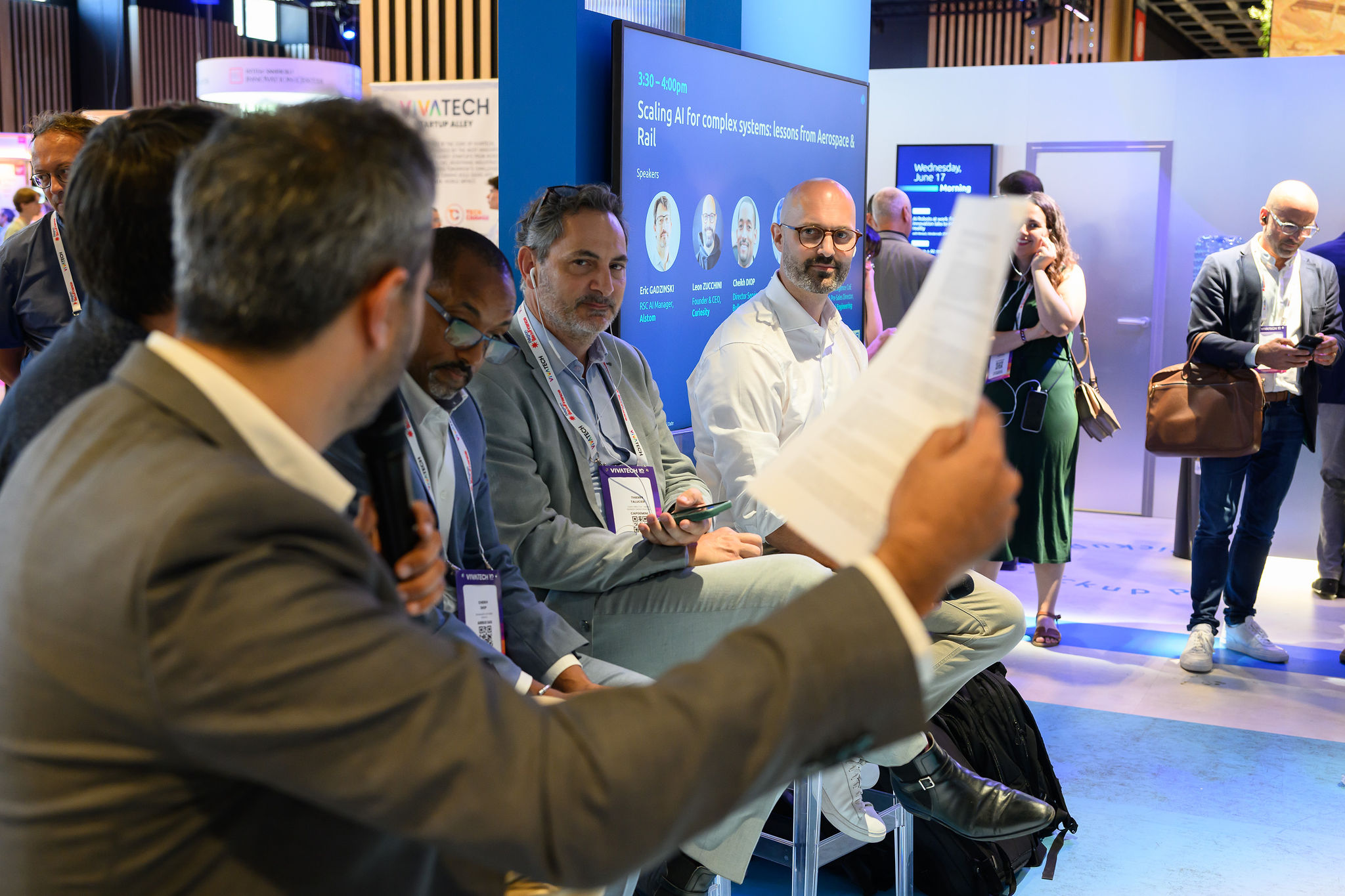
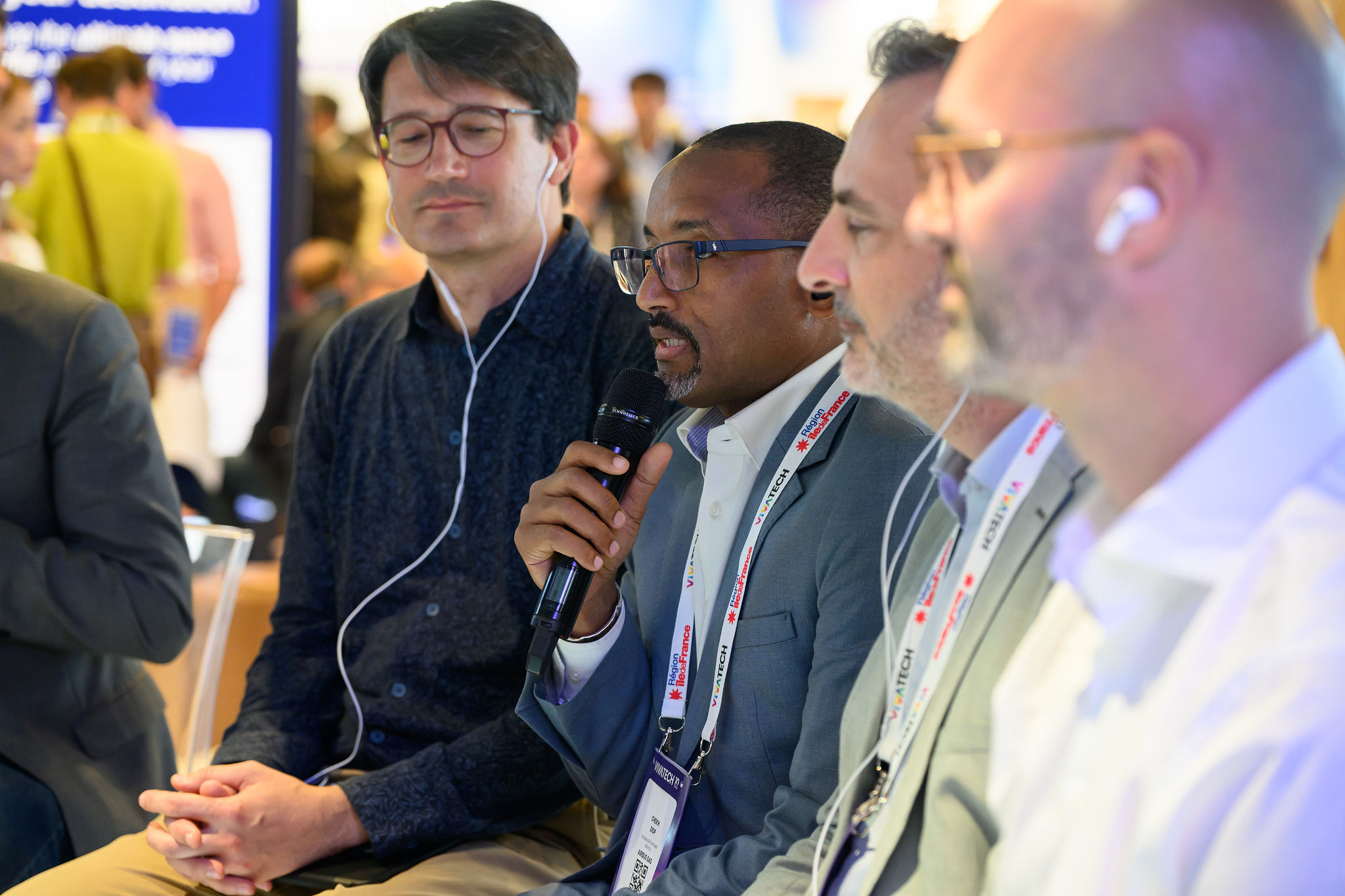
Last week at VivaTech, Curiosity founder and CEO Leon Zucchini joined a Capgemini-hosted panel on scaling AI for aerospace and rail. He shared the stage with Cheikh Diop (Airbus), Eric Gadzinski (Alstom), Patrick Bennani and Thierry Talucier (Capgemini), in a session put together by Romain David.
The premise was deliberately uncomfortable. Almost everyone is building with AI, but very few projects reach production at scale; and the ones that do tend to deliver less than the pilot promised. So the panel skipped the theory and stayed on a concrete question: what actually has to be true for industrial AI to work in production?
A few takeaways stood out.
1. Start with the business problem, not the technology. Scaling agentic AI begins with a concrete problem worth solving: a bottleneck, a recurring failure, a slow handoff between teams. The model is the easy part to get excited about; the problem is the part that decides whether anything ships.
2. Graphs give agents the structure they need to stay on track. Point an agent at terabytes of flat, densely cross-referenced engineering data and it will latch onto something plausible and wander off. Industrial documents are full of technical references that embeddings handle badly, so a semantic layer (a knowledge graph) is what gives an agent the connected context to reason over real data instead of guessing.
3. Iterate from a working use case; don't perfect the ontology first. Spending nine months designing the ideal ontology before anything runs is the classic trap. The data is always messier than the diagram (zip files, emails, fragmented sources) and the way through is to sit with the business, build a narrow use case that works, and let domain experts validate it as you go.
4. Adoption is the real challenge and economics is the quiet one. The model is rarely the hard part. Getting engineers, technicians, and quality teams to fold AI into how they actually work is where projects live or die. And close behind it sits the cost of running AI at scale, where inference can outpace the value created and rate limits quietly become an operational ceiling.
This is the ground Curiosity is built on. We connect fragmented, legacy enterprise data into a context graph; and give AI agents the grounded, permission-aware structure they need to be useful on real industrial work, without ripping out the architecture you already have.
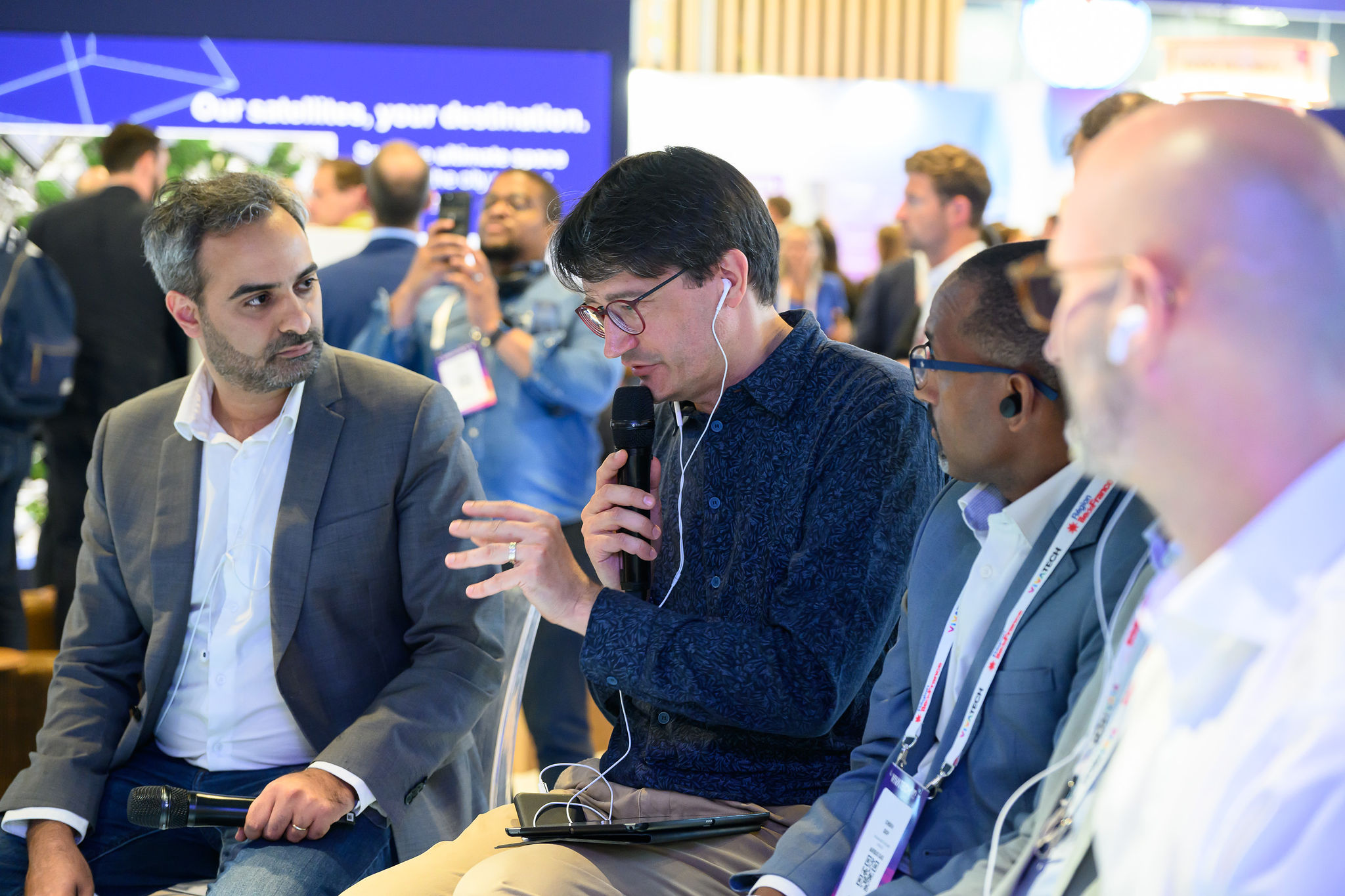
Thanks to Capgemini for the invitation, and to the fellow panelists for a sharp, candid discussion.